Design & Impact · STEM Education · Storytelling
Kiara Kits
hands-on STEM kits that get young girls building
Sept 2021 - present
Kiara Kits began long before it had a name.
In 2019, I started volunteering at Happy School in Gurugram, where I taught weekly science and theatre classes to children from underserved communities. What began as a small teaching commitment became one of the most formative experiences of my life. I saw how curious children became when science was physical and playful, when they could build something, act out an idea, tell a story, or use everyday objects to understand how things worked.
Alongside science lessons, I also taught theatre and directed student performances. Theatre changed the energy of the classroom. It gave students permission to speak loudly, move around, pretend, ask strange questions, and explain ideas in their own words. It helped me understand that learning is not only about information, but also about confidence, expression, and ownership. These experiences eventually led me to publish research on STEM pedagogy through theatre and art, exploring how creative practices can make science education more participatory and accessible. I also gave a TEDx talk reflecting on my journey with teaching and the role of creativity in learning.
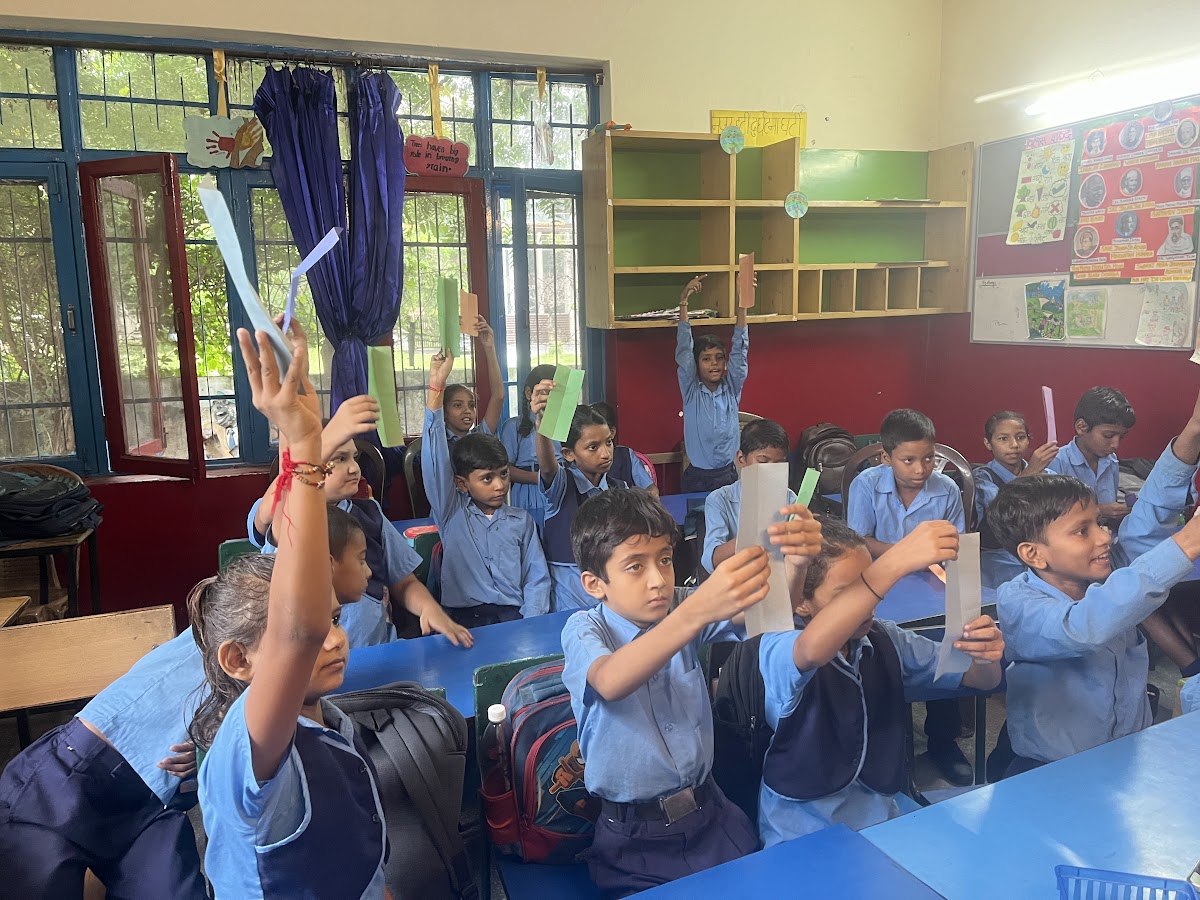
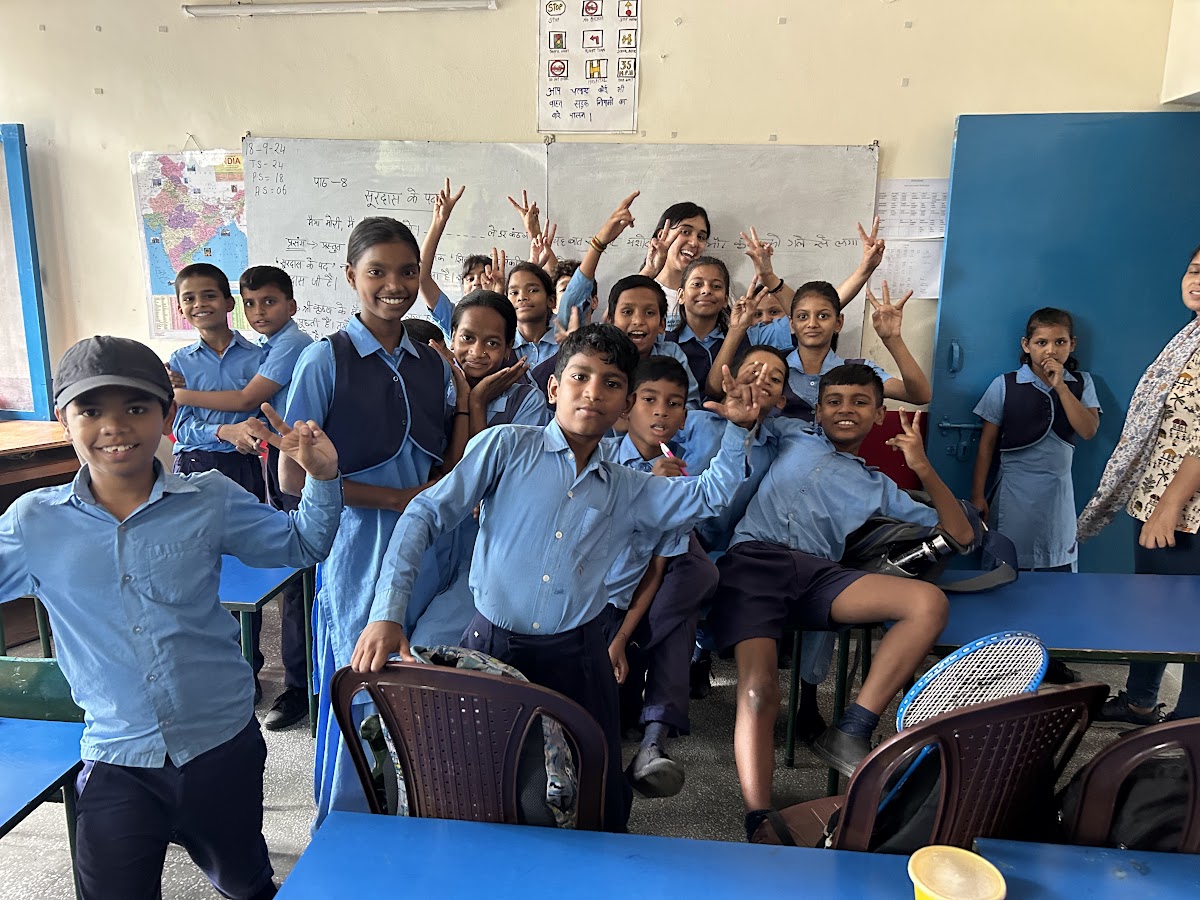
teaching science and theatre at Happy School
Published in Teacher Education and Curriculum Studies, Science Publishing Group.
my TEDx talk on creativity and learning
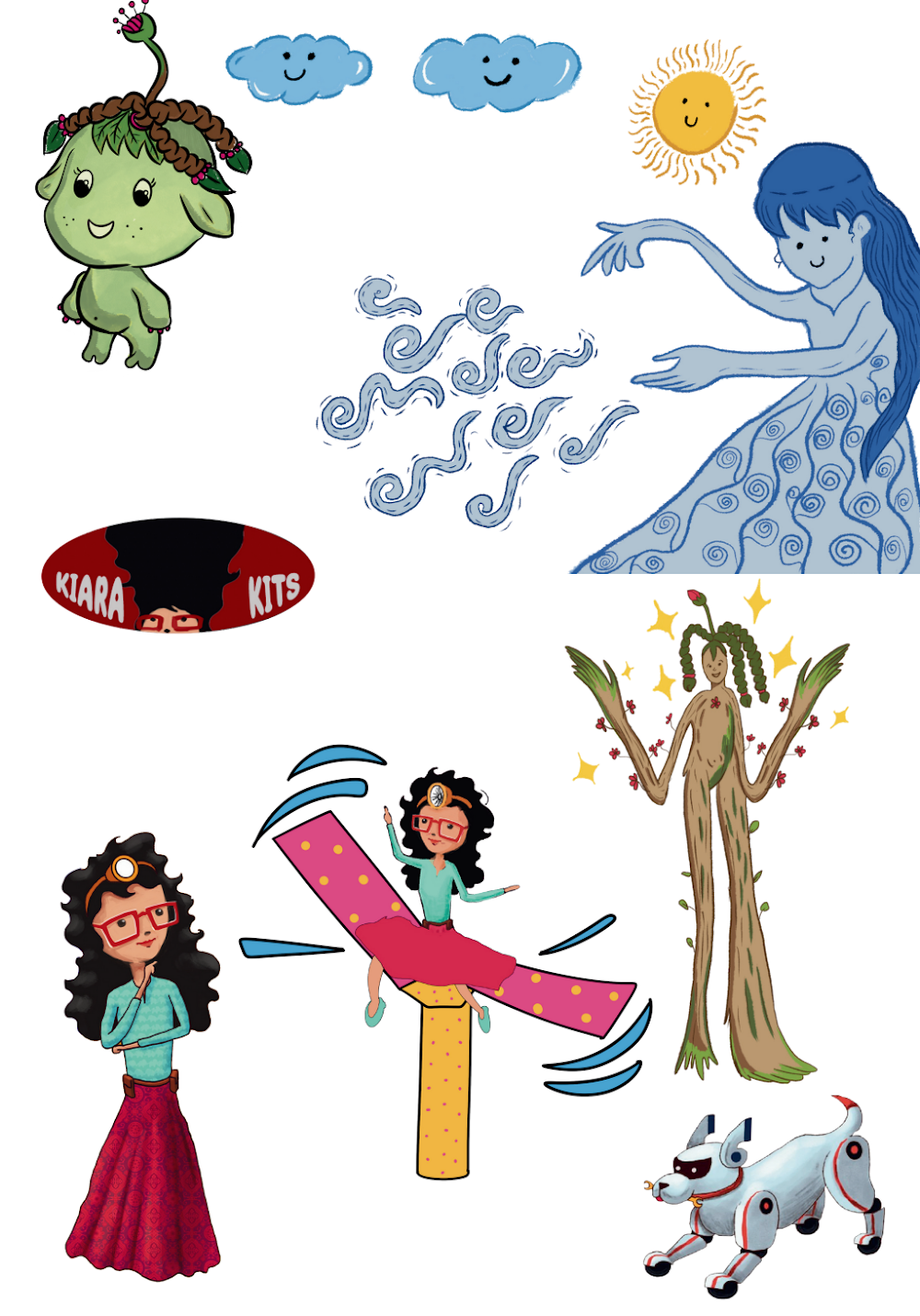
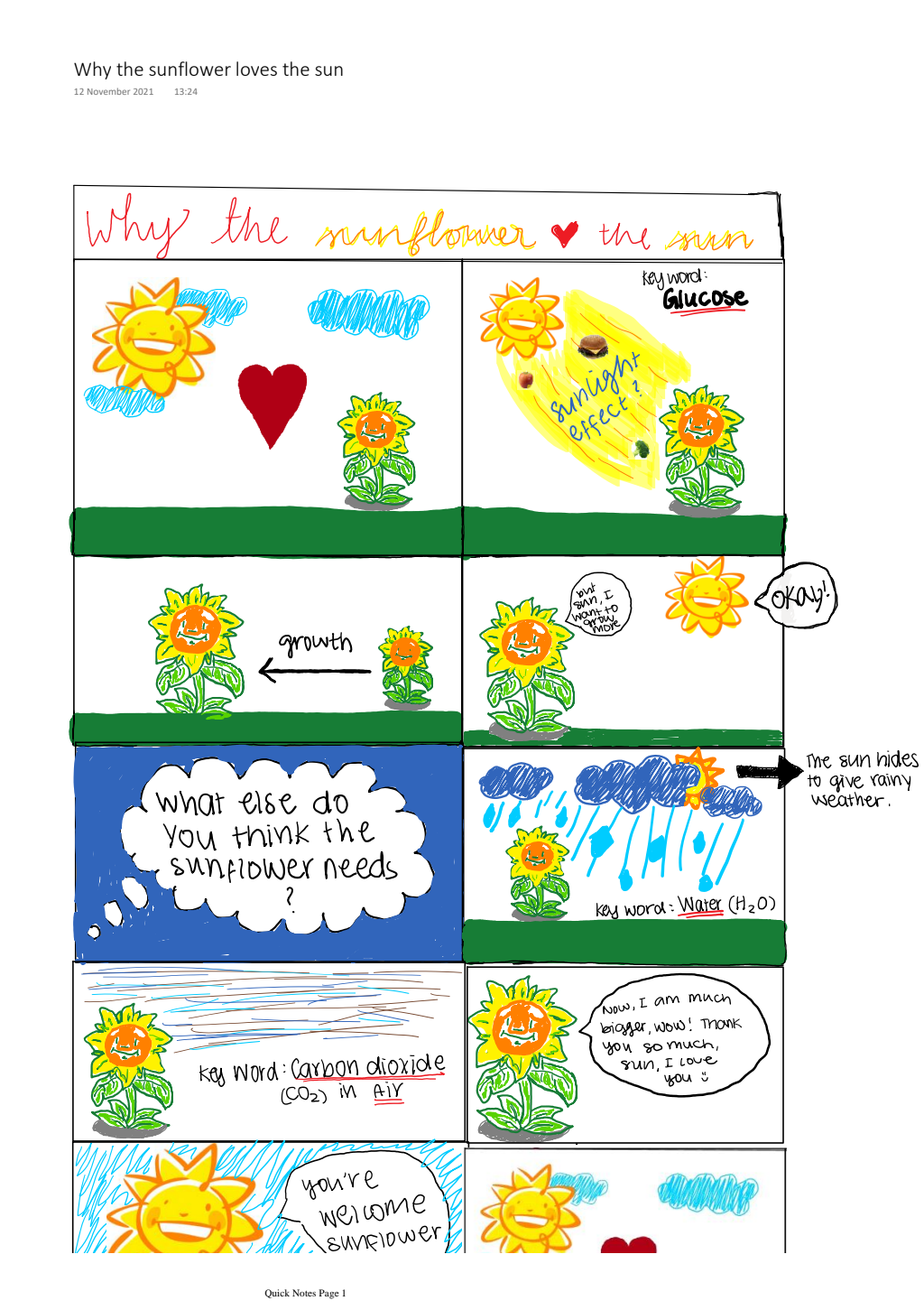
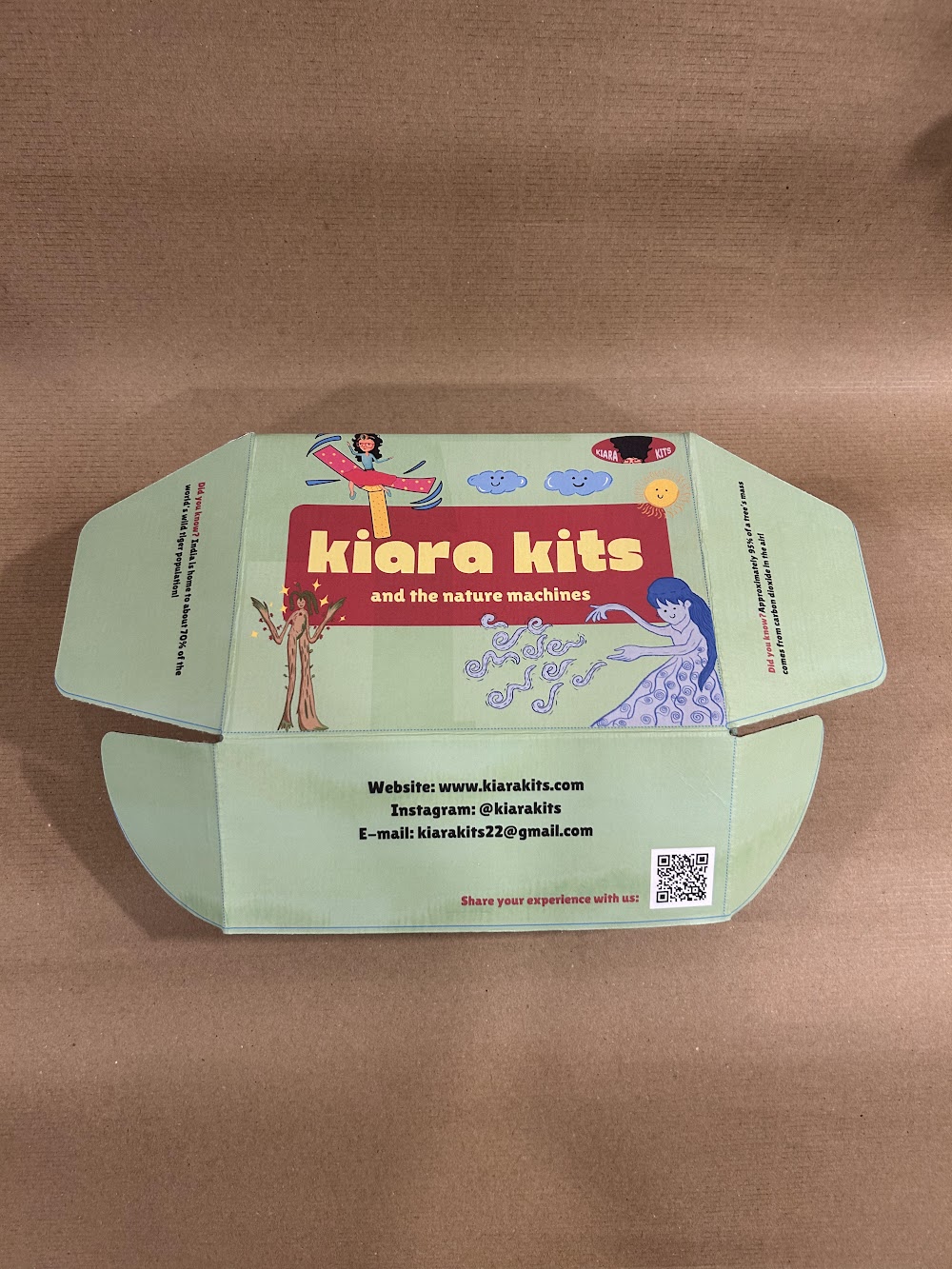
In 2021, these experiences grew into Kiara Kits, a low-cost STEM education project designed to help children learn science through making, storytelling, and play. The kits are built from trash, recycled, and easily available materials, so that science learning does not depend on expensive labs or equipment. Each kit follows Kiara, a young girl inventor, and her dog Dosa through comic-book stories that introduce scientific ideas in a way that feels playful and relatable. I wanted Kiara to be a woman role model in STEM: curious, inventive, and accessible to children who may not often see girls represented as scientists, engineers, or makers.
The first kit I created was Musical Machines, which helped children explore sound, motion, and engineering using simple materials. Since then, Kiara Kits has grown into a larger hands-on learning project, combining comics, classroom activities, and making-based lessons. The goal was never just to teach scientific facts. I wanted children to ask questions, make mistakes, repair things, tell stories, and build confidence through their own hands.
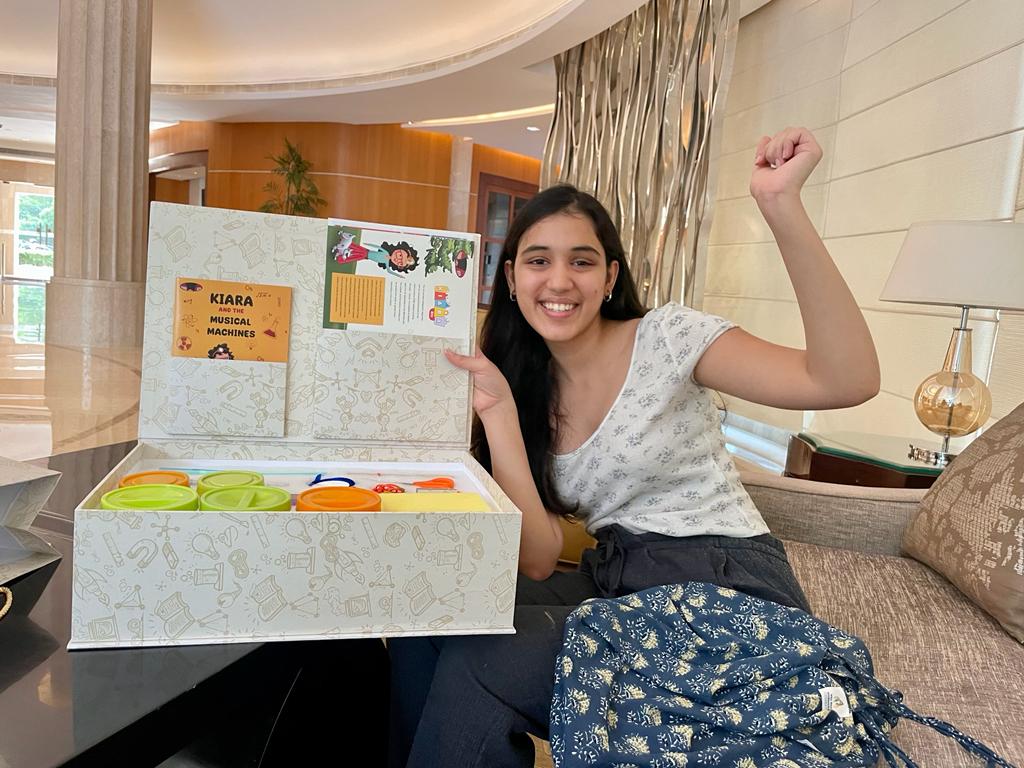
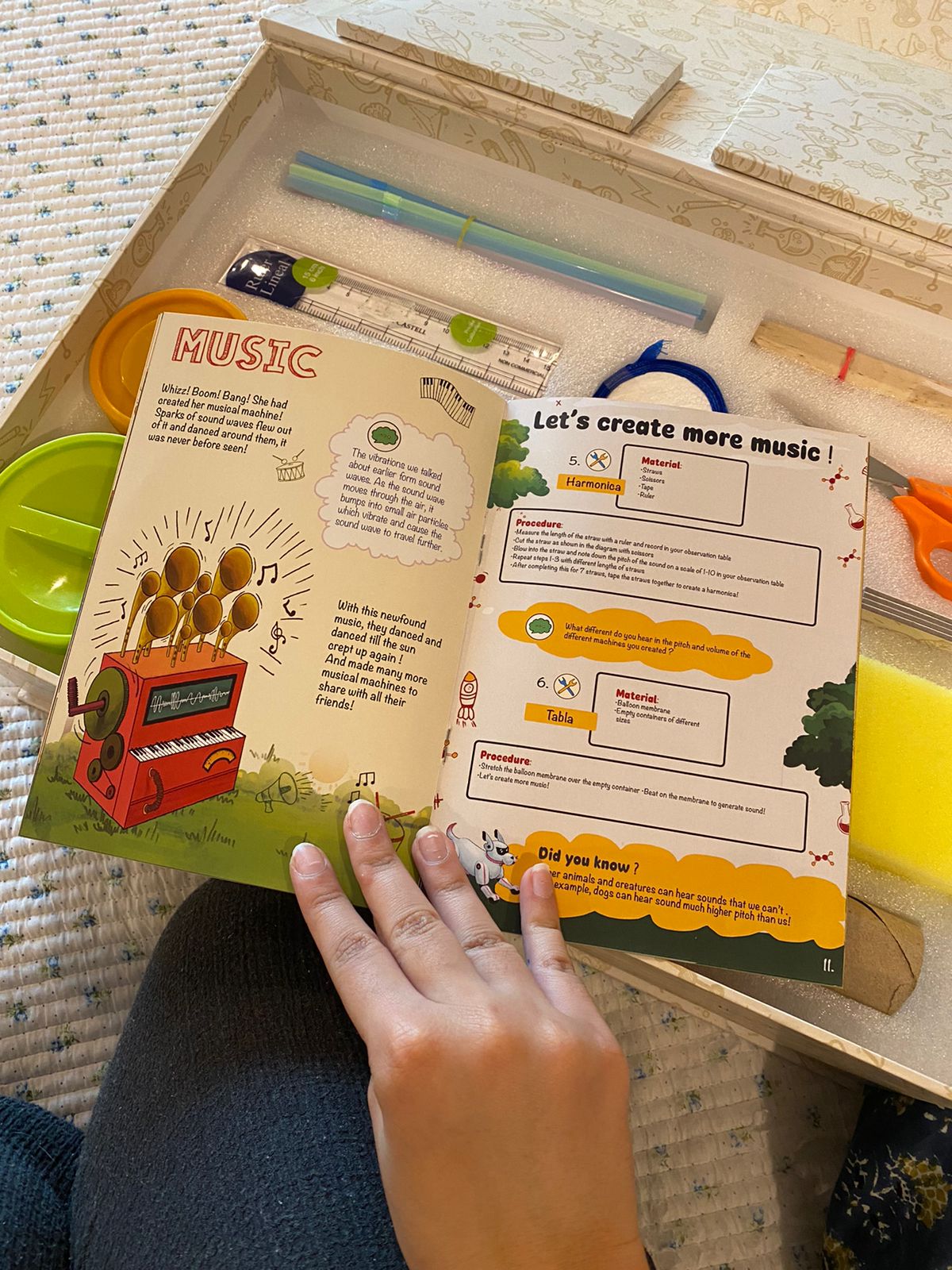
Musical Machines, the first kit
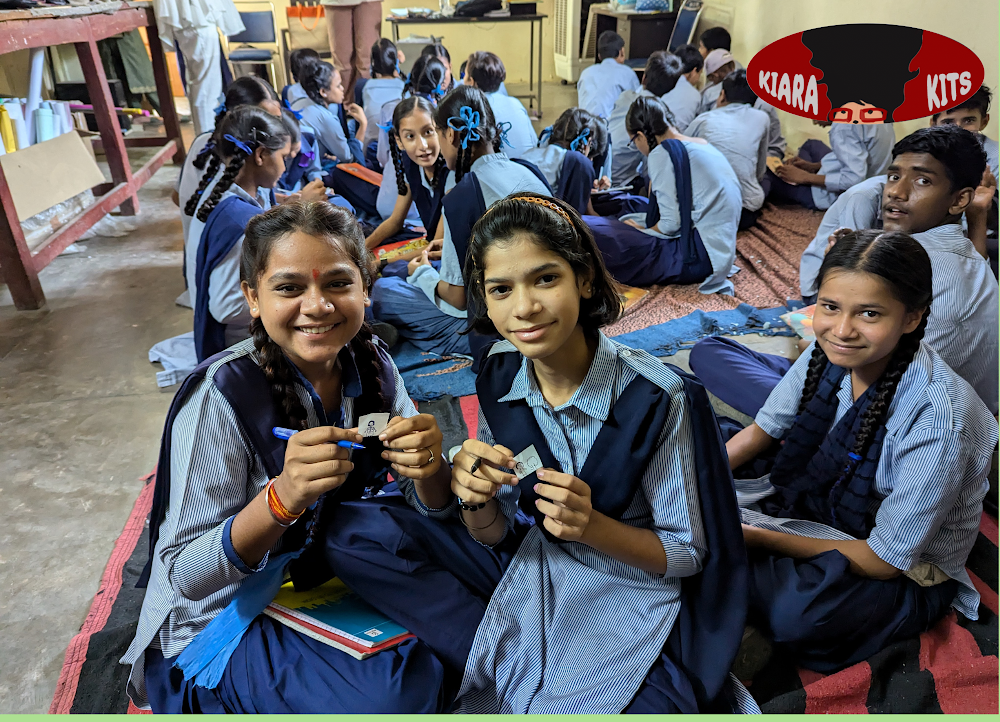
In the summer of 2024, I returned to the classroom and conducted more than 30 lessons with one class to co-create a new version of Kiara Kits. This version focused on simple machines, biomimicry, and photosynthesis. Instead of designing only for the students, I designed with them. I observed what made them excited, where they got stuck, what stories they created around the materials, and what kinds of instructions helped them build independently. Their feedback shaped the activities, structure, and tone of the new kit.
Kiara Kits in the classroom
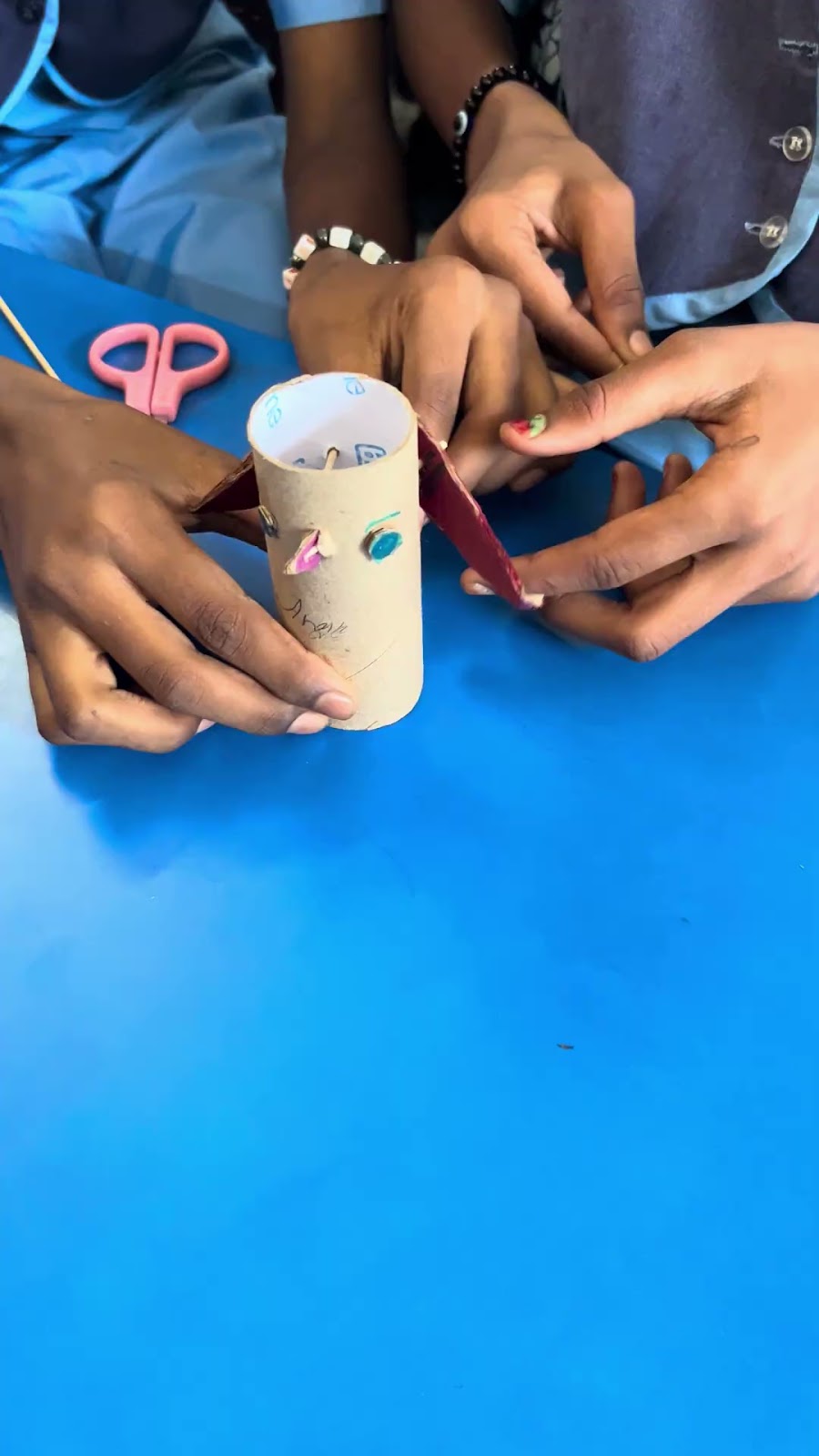
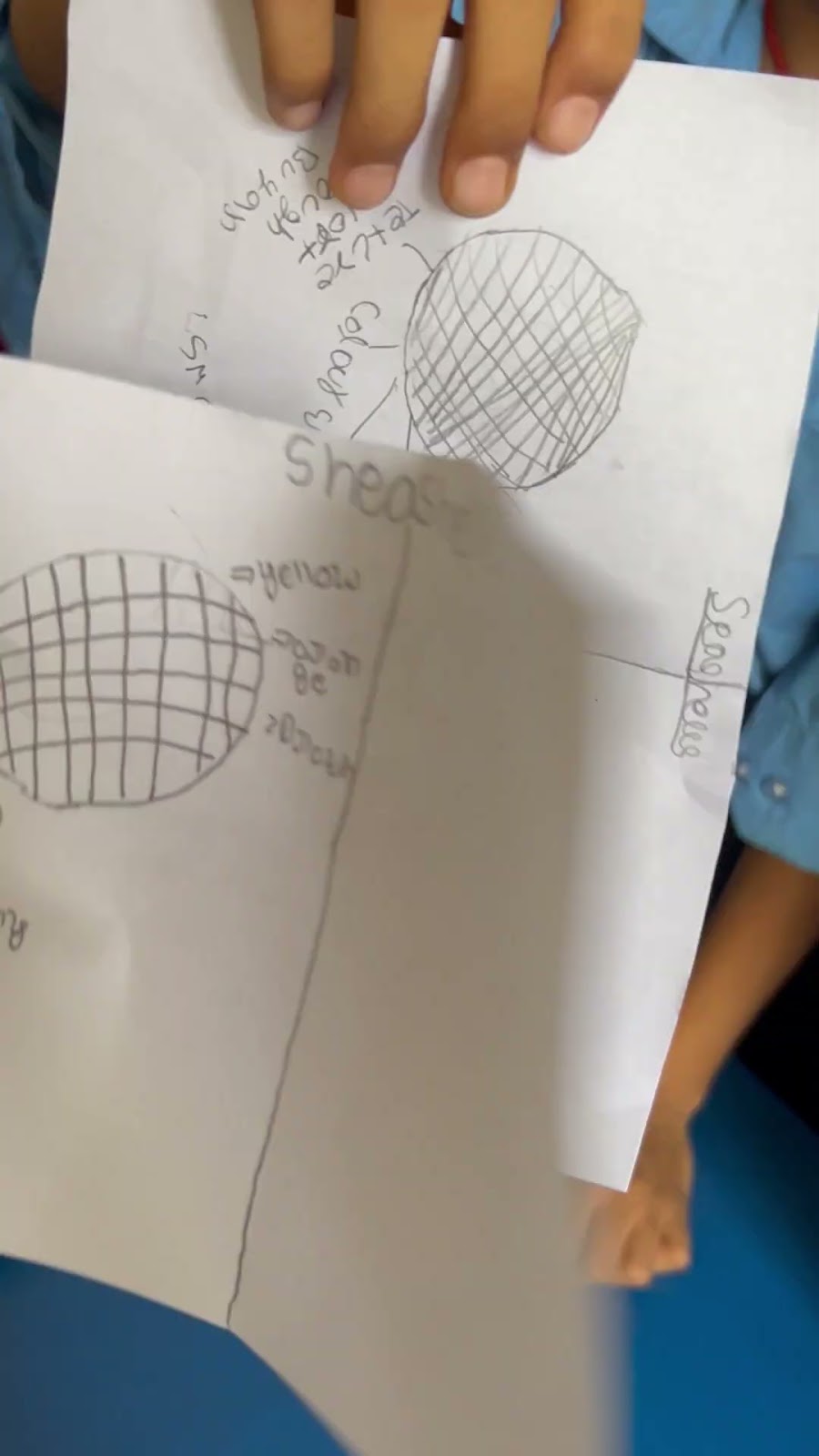
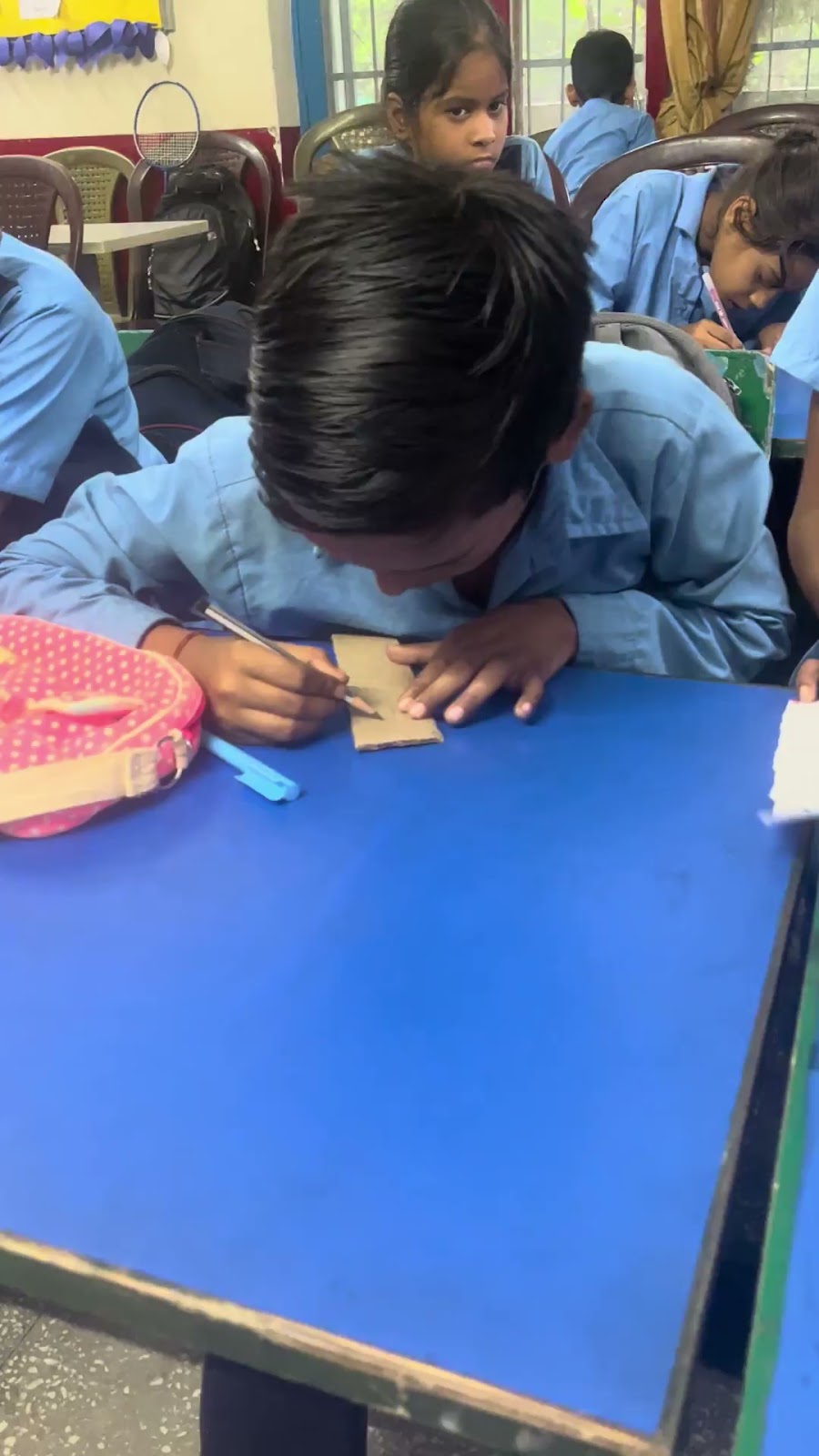
student work and making, from the co-creation sessions
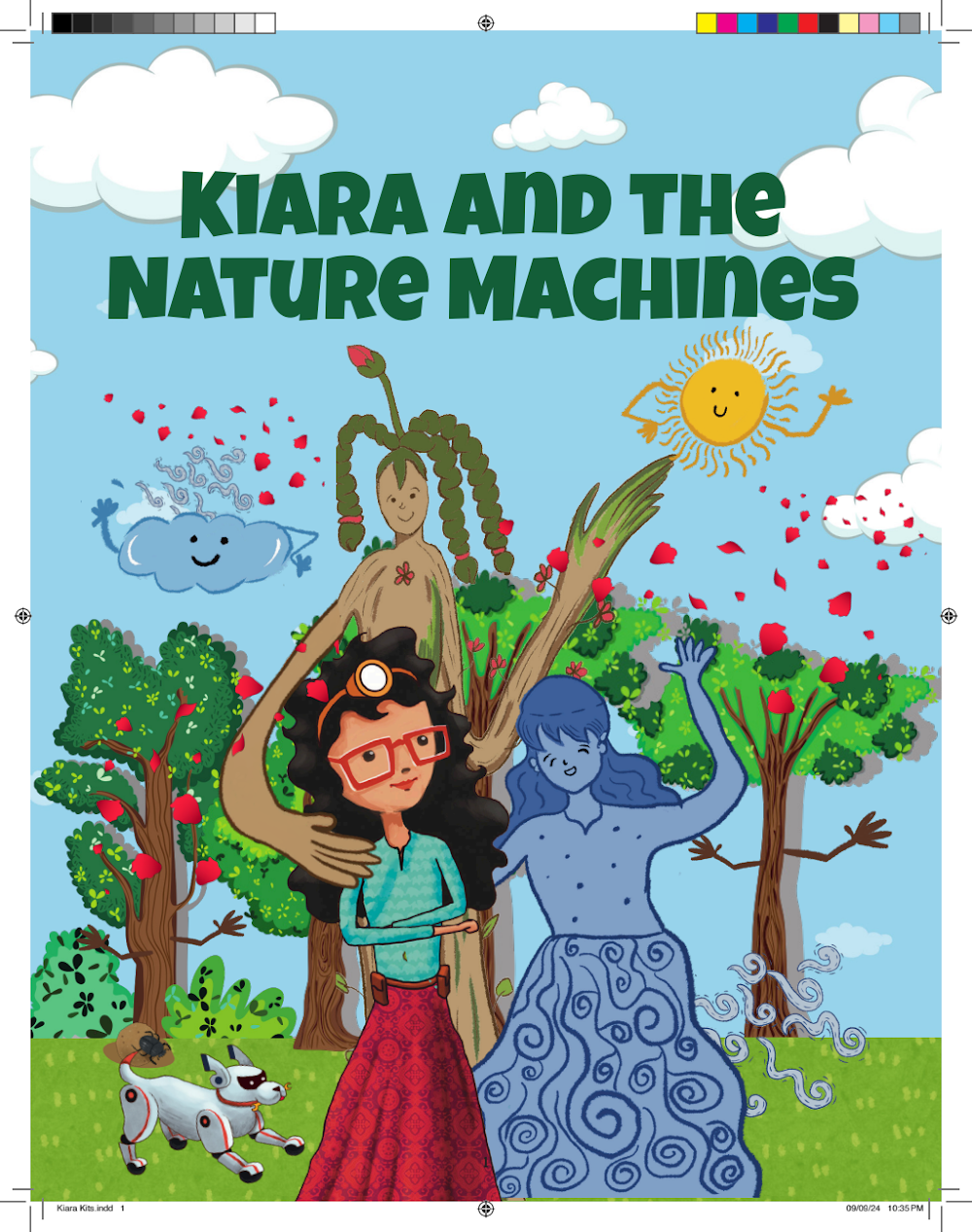
That summer, I also collaborated with illustrator Vaishali Soni to redesign the comic book and visual identity of Kiara Kits, making the world of Kiara and Dosa more playful, expressive, and child-centered. Alongside the student-facing kit, I created a teacher booklet with 30 curriculum-aligned lessons, designed to help teachers bring hands-on STEM into their classrooms using accessible materials. The booklet made Kiara Kits easier to implement beyond my own teaching, giving teachers a structured way to connect making, storytelling, and science concepts over time.
the latest comic booklet
Kiara Kits is one of the projects I am most proud of because it brings together so many parts of me: teaching, science, theatre, writing, making, and a belief that children deserve learning experiences that feel joyful and rigorous at the same time. Through Kiara Kits, I have learned that children do not need expensive labs to become curious scientists. They need materials they can touch, stories they can enter, role models they can see themselves in, and the confidence to build something themselves.